
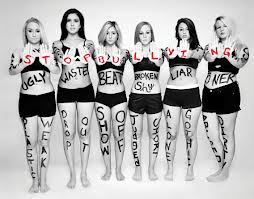
Why do we Blame the Victim?

self-esteemand teen bullyingWhy do we blame the victim?

Every two and a half minutes a woman is sexually assaulted, and the risk is four times greater for, teens between the ages of 15-19.  This is a very scary statistic and means every teenage girl is susceptible to sexual assault.  The definition of sexual assault is so broad that it can be misunderstood and leave victims feeling confused, guilty and ashamed.  What is even sadder, 70% of the victims know their assailant.  But what makes sexual assault even more destructive is the high percentage of victims that are blamed for their attack.  Sadly, family members and friends are often first to blame the victim.  They are easily persuaded by doubt, or be convinced the victim asked for the assault based on their knowledge of the victim. This is called victim blaming.

Victim blaming in relation to sexual assault happens quite often.  An assault is committed and the victim is blamed for the crimes.  Sometimes the victim blaming rears its head in very subtle ways.  Friends, neighbors and the local community may respond to the victim by either ignoring them, and treating them like an outcast, or verbally attacking the victim.  Sadly, victim blaming doesn’t stop there, professional workers that should be on the side of the victim, including doctors, lawyers and the media, have doubts about the victim’s story or believe that the attack is somehow justifiable.  People are often convinced that the victim deserved the treatment or asked for it.  This kind of treatment is wrong and it can be very hurtful and leave the victim feeling alone and depressed.

The reality of victim blaming for sexual assault plagues thousands of women but is most common among teens.  Teens are very fragile and impressionable and can easily be influenced, and convinced that maybe they are the ones to be blamed for their assault or abuse.  After all, if everyone believes it is their fault, then maybe they did ask for the attack or even deserved the attack.  This is victim blaming at its worst because now not only does everyone believe it is the victims fault, but the victim believes it too, and the saddest part of the crime is the assailant or criminal is never punished and get away with what they have done.

Women and teens of sexual assault don’t just get better, especially when victim blaming is involved.  There is a lot of mental and emotional damage that has been done and because many have blamed the victim, and even the victim has blamed herself, she never gets the help that is needed.  A lot of teens end up carrying the incident all of their life and for many teens, this can have negative effects on their future. It can lead to depression, low self-esteem and self inflicted violence such as cutting. Many victims cannot have functional or healthy relationships with people especially men.  Others may be so damaged by the assault and being blamed that they just don’t recover and struggle to live a normal and healthy life.

The bottom line is, nobody deserves to be sexually abused or assaulted, and the brutal attack of women and teens is never asked for or deserved.  The victim should never be persuaded or convinced that their behaviors asked for the assault or they deserved it.  It doesn’t matter the circumstance, an unwanted or unwelcome sexual assault is a crime that has the fingerprints of the assailant all over it and never the victim.

Victims need to get through their assault by getting help and there is help available that can restore them mentally and emotionally and help them to move forward.  Here’s is a great website  and a great resource for parents and teens to learn more.


Triggers Leading to Adolescent low Self-Esteem

Triggers Leading to Adolescent low Self-Esteem

I see 5th and 6th grade as pivotal points in self-esteem development. Between the ages 10 and 12 puberty sets in, increased socializing between the sexes occur and in many cases, verbal teasing begins.  More defined social groups and cliques form where peers become a major influence on a child’s self-esteem. Think about it, adolescents spend more time in the classroom with peers than at home with family members.  This peer network can define approval or disapproval for actions and behaviors, similar to a  “mob mentality.”  Their influence on one another can impact future choices and actions based on past experiences.  During adolescence many core values and beliefs about self begin to take shape and the relationships that teens build have an influence on that development. Therefor, as adolescents get older, they will choose environments and situations that are inline with their beliefs about self.  In other word, if she feels good about herself, she picks healthy environments and supportive friends. If she feels poorly about herself, she makes bad choices. This is where low self-esteem takes shape. Here are a few triggers that can lead to adolescent low self-esteem.

  • Being criticized by peers (or an adult figure) for a prolonged period of time.
  • Being ignored, ridiculed, or bullied by peers.
  • The self-imposed expectation of perfection which cannot be sustained.
  • Forced group think conformity so individual needs and interests are denied.
  • Being identified as physically different by peers. Too tall, too short, too thin, different hair, braces, etc.
  • Having few trusts friends or community outlets  (sports team, church group, social clubs, etc.)

Dr Carol’s Self-Esteem Scale

measure self-esteemI designed this self-esteem scale as a quick reference tool for the teen girls I work with. It’s notso much a scale as it is a starting point for building healthy self-esteem. It allows for honest reflection on where you see your self-esteem presently and where you would like it to be.  Remember, self-esteem is not “fixed” meaning… it can change and grow with time.

1–3: Your self-esteem is on the lower end. You’re more concerned with how others view you or define you. You basically see yourself through the eyes of others. You don’t trust in your own decisions. You tend to go along with the crowd, whether you want to or not. You don’t rock the boat and aren’t sure how to stand up for yourself in tough situations. You don’t like to make others angry and will avoid confrontation at all costs. You aren’t sure if you can trust your friends 100%. You may have felt bullied at some point in life and still feel negative effects from it.

4-6: You have moderate self-esteem. You look to others for guidance when making decisions. You trust in what others say a bit more than trusting in yourself. You sometimes hold back how you feel because you’re concerned about your friends passing judgment. You can be a people pleaser. You feel you can comfortably trust your friends 75-80% of the time with most information without them using it against you.

  7–8: You have relatively strong self-esteem. You have a strong sense of self and you listen to yourself over the opinions of others. You aren’t easily swayed into uncomfortable situations and rarely feel peer pressured. You are unique and independent, and you can comfortably stand up for what is right without worrying about the consequences. You have a strong group of friends that you trust 80% to 100% of the time.

9-10: You have high self-esteem. You are comfortable in most situations at school and with friends. You are comfortable with all aspects of yourself. You’re accepting of your friends and the way they are. You do not fall victim to peer pressuring or bullying and don’t allow it to occur around you either. You do not feel the need to judge or gossip about others. You are a trustworthy friend.

Questions for Reflection

1) Where do you see yourself on the scale of self-esteem and why?

2) What external factors (looks, grades, boyfriends, etc.) do you depend on to “raise” your self-esteem?

3) Can any of these factors truly help your long-term self-esteem? Explain.