
What Childhood Bullying Does To Your Body Image Later In Life

Guest article for Mind, Body, Green.

If you ask most adults if they were bullied as a child and their answer is yes, they can usually tell you their earliest bullying memory in great detail. They can pinpoint the exact day, time, location and who was there.

Why? Because it was a traumatic experience.

For many people, these earliest experiences with bullying typically occur around the 5th grade. Socially, this is the time when boys and girl start to form cliques, become competitive and begin showing interest in the opposite sex. However, this is also the time when many physical changes occur.

Kids get braces, glasses, acne, start developing faster or slower than everyone else in class … anyone can be a prime target for bullying for any reason.

Unfortunately, the effects of bullying can carry over to adulthood. We hold on to labels, to the names we were called. We can play the bullying scenarios over and over in our heads, so much so that we may start believing them again. By adulthood, perfectly proportioned women think they’re too big, too tall, too skinny. This is where body dysmorphia can begin.

Body dysmorphia is a type of chronic mental illness where you can’t stop thinking about a flaw in your appearance — a flaw that is either minor or imagined. Your appearance seems so shameful that you don’t want to be seen by anyone.

Body dysmorphia and memories of teasing and/or bullying can go hand-in-hand. If the bullying experience was traumatic and you were never able to process it and let it go, the effects can linger for years. For example, if you were teased as a child for being “chubby,” those ugly nicknames have a tendency to stick around even though you know you’re not overweight today.

For more from this article, click here.
Tips and Tricks for Teens on Managing Peer Pressure

thOk teens…

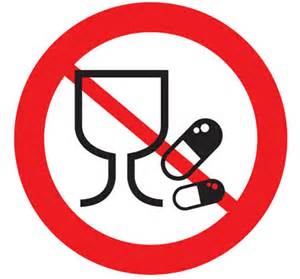
In high school, there can be a decent amount of pressure to attend parties and sometimes drink or do drugs. Yes, you can certainly say no to attending the party and avoid the whole thing; however, in some cases you then become the topic of conversation, not at the party, but on Monday at school. That’s no fun.  Not to mention that you want to hang out with your friends and be social, but don’t want to feel the pressure from others.  Be proactive! I suggest coming up with a shortlist of responses that you can use when faced with peer pressure, so you aren’t ostracized for doing the right thing. Here, I started the list for you with a few and when stated confidently and honestly, will be respected by your peers.  Trust me!

(These are related to the example of drinking at a party, but can also be applied to when being pressured to do drugs as well.)

  1. I can’t drink, I’m on medication/antibiotics.
  2. I can’t drink, I’m the designated driver.
  3. I can’t drink, I have practice in the morning (or a big game.)
  4. I can’t drink, I have to work in the morning and really need the money.

What would you add to the list?

How to Tell Your Parents When you are Being Bullied

Let me start off by saying…….you should tell your parents every time and any time you feel you are the victim of bullying. Just because you can “handle” the bullying, doesn’t mean you should.  I know it may seem scary, but tell an adult. If not a parent, then a teacher or adult relative you trust.

So….How do you bring it up? Sometimes that can be the hardest part. Find a time when you have your parents’ full attention. Maybe this is while you are driving alone in the car with them, eating dinner, or taking a long walk with your mom or dad. Think about what to say beforehand so when you tell them you won’t get too nervous and forget everything. If you aren’t sure how to start the conversation, say, “I need to tell you something that I’m nervous about.” I guarantee your parents will pay complete attention. It’s OK if you get upset while telling them. If you want to tell a teacher instead, that’s OK too. Maybe after school when the rest of your class is gone you can ask to speak with them. Again, practice what you want to say.  If it helps to bring a friend along for support, that’s OK too.

I can’t stress this enough. Not wanting to worry or burden your parents by keeping something like this inside doesn’t make you stronger or resilient. Being resilient isn’t about avoiding an issue and adapting to it. Resilience is standing up for yourself, protecting yourself, and demanding that the bullying stops. Don’t built a defense mechanism around the issue to avoid it or pretend that it isn’t actually happening.  Say something early on. If you wait, you may just get used to the bullying and “accept” it. That’s not a healthy way to cope!